Balsa wood gliders are lightweight, easy-to-build aircraft made from balsa wood, offering a fun and educational way to explore aerodynamics. Popular among hobbyists, they require minimal materials and are often used in STEM projects. With readily available PDF plans, enthusiasts can craft their own gliders, making them accessible to all skill levels. These gliders combine creativity, physics, and hands-on learning, providing hours of enjoyment and a deeper understanding of flight mechanics.
1.1 What Are Balsa Wood Gliders?
Balsa wood gliders are lightweight, handcrafted aircraft made from balsa wood, a soft, durable, and versatile material. These gliders are popular among hobbyists and educators due to their simplicity and educational value. They are designed to glide through the air without propulsion, relying on aerodynamic principles. Available in various designs, they are often built using PDF plans, making them accessible to enthusiasts of all skill levels. Balsa wood gliders are a fun and creative way to explore flight mechanics and engineering concepts.
1.2 History and Popularity
Balsa wood gliders have a long history, dating back to early aviation experiments. Their popularity grew due to their simplicity and educational value, making them a staple in STEM programs. Hobbyists and educators alike appreciate their ease of construction and affordability. With the rise of online resources, PDF plans have made balsa gliders more accessible, further increasing their popularity as a fun and educational project for enthusiasts of all ages.
1.3 Why Choose Balsa Wood?
Balsa wood is ideal for gliders due to its lightweight, durable, and easy-to-work-with properties. Its low density ensures minimal weight, enhancing flight performance. Hobbyists and educators favor it for its cost-effectiveness and availability. With PDF plans, crafting precise shapes is straightforward, making balsa wood a perfect choice for both beginners and experienced builders seeking a balance of simplicity and functionality in their glider projects.
Benefits of Building a Balsa Wood Glider
Building a balsa wood glider offers educational insights into aerodynamics, fosters creativity, and provides an affordable, engaging hobby. It’s a rewarding project for all skill levels.
2.1 Educational Value
Building a balsa wood glider offers hands-on learning in aerodynamics, physics, and engineering. It teaches fundamental principles like lift, drag, and weight distribution, fostering problem-solving skills. Students gain practical experience in design, construction, and testing, aligning with STEM education. The process encourages critical thinking and creativity, making it a valuable educational tool for understanding flight mechanics and the scientific method.
2.2 Cost-Effectiveness
Balsa wood gliders are an affordable hobby, requiring minimal investment in materials. Plans are often free or low-cost, and balsa wood is inexpensive. Basic tools and adhesives are typically already available, making it accessible to everyone. This cost-effectiveness allows educators and hobbyists to enjoy the project without financial strain, providing a budget-friendly way to explore aerodynamics and engineering principles.
2.3 Fun and Engagement
Balsa wood gliders offer a rewarding and enjoyable experience, combining creativity with hands-on building. The process of crafting and flying these gliders provides a sense of accomplishment and excitement. It’s a fun way to learn about aerodynamics while enjoying the thrill of seeing your creation soar. The simplicity and accessibility of balsa wood make it an engaging hobby for individuals of all ages and skill levels, fostering creativity and enthusiasm.
Materials Needed
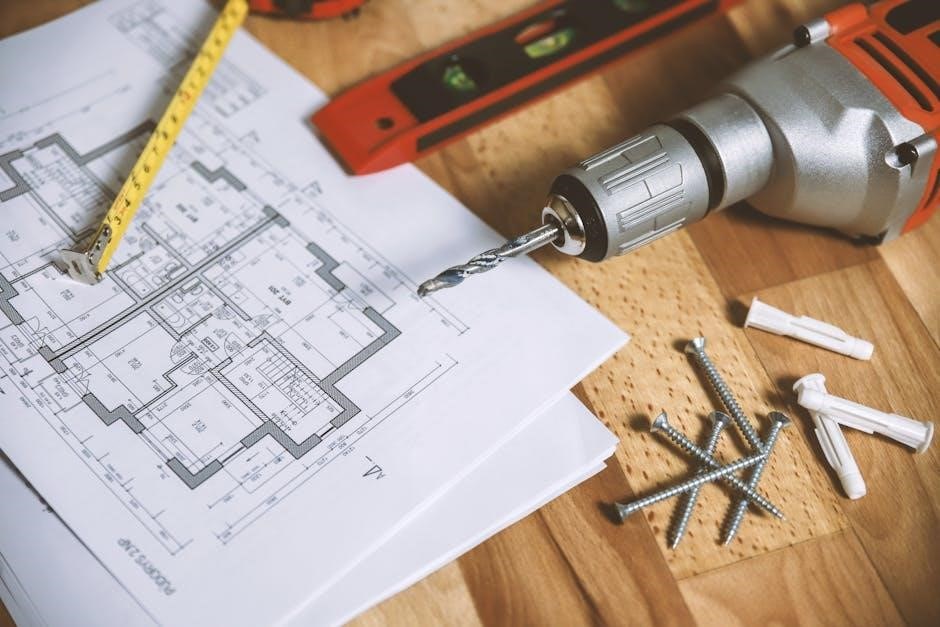
Balsa wood sheets, adhesives, sandpaper, and precision tools are essential for constructing a glider. Templates or PDF plans guide accurate cutting and assembly of components.
3.1 Balsa Wood Grades

Balsa wood is available in various grades, differing in density and grain structure. Medium-density sheets are ideal for glider wings, while higher-density wood is better for the fuselage. Lighter grades provide flexibility, reducing weight for better flight performance. Proper selection ensures durability and aerodynamic efficiency. Always choose wood with a smooth, even grain for consistent results. This ensures your glider is both sturdy and lightweight, enhancing its overall flight capabilities.
3.2 Adhesives and Glues
White glue, cyanoacrylate (CA), and epoxy are commonly used for balsa wood gliders. White glue is ideal for basic construction due to its slow-drying properties, allowing adjustments. CA glue dries quickly, making it perfect for precise bonding. Epoxy provides exceptional strength for critical joints. Always apply adhesives sparingly to avoid adding unnecessary weight. Properly chosen and applied adhesives ensure a durable and lightweight structure, essential for optimal flight performance.
3.3 Other Essential Components
Beyond balsa wood and adhesives, other crucial components include plastic for the nose, thin wire for landing gear, and sandpaper for smoothing surfaces. Paint and clear coat protect the wood and enhance appearance. These elements ensure durability and aerodynamic efficiency. Properly sourcing and preparing these materials is vital for a successful build, as outlined in many PDF plans available for balsa wood gliders.

Tools Required
Utility knives, sandpaper, rulers, and glue applicators are essential for cutting, shaping, and assembling balsa wood gliders. Optional tools like laser cutters or cutting plotters can aid precision.
4.1 Basic Hand Tools
Utility knives, sandpaper, rulers, and glue applicators are essential for cutting, shaping, and assembling balsa wood gliders. A cutting mat or workboard protects surfaces. Pencils and markers help trace patterns. Optional tools like laser cutters or cutting plotters can enhance precision. Always handle sharp objects with care and maintain tools for longevity. These basic tools ensure accurate cuts and smooth assembly, making the building process efficient and enjoyable.
4.2 Precision Cutting Tools
Laser cutters and cutting plotters are ideal for precise cuts, especially for intricate designs. These tools use PDF templates to ensure accuracy. While optional, they offer high precision for complex shapes. For manual precision, craft knives with fine blades or razor blades are excellent for detailed work. Always use these tools with caution and align them with your balsa wood glider plans for the best results. Precision cutting enhances the glider’s performance and aesthetic appeal.
4.4 Tool Maintenance Tips
Regularly clean and calibrate precision tools like laser cutters and cutting plotters to ensure accuracy. Keep craft knives and razor blades sharp, as dull edges can damage balsa wood. Store tools in a dry, safe place to prevent rust or damage. After use, wipe tools with a soft cloth and apply light oil if necessary. Proper maintenance extends tool life and ensures precise cuts for your balsa wood glider plans.
Step-by-Step Construction Guide
Begin by printing and transferring PDF plans to balsa sheets. Cut out components using a craft knife or laser cutter. Assemble the airframe carefully, ensuring alignment and stability for optimal flight performance.
5.1 Preparing the Balsa Wood
Start by printing the PDF plans and transferring the template to the balsa sheets. Use a craft knife or laser cutter to precisely cut out the components. Sand the edges to ensure smoothness and remove any splinters. Align the grain direction for strength and stability. Separate the parts carefully, ensuring they match the plan dimensions. This step is crucial for assembling a glider that flies well and maintains structural integrity.
5.2 Assembling the Airframe
Align the pre-cut balsa wood parts according to the PDF plans. Use a ruler or straightedge to ensure proper alignment. Apply a small amount of adhesive to the joints, carefully fitting the pieces together. Hold each joint firmly until the glue sets. Avoid excess glue, as it can add weight. Let the airframe dry completely before moving on. This step requires patience to ensure a sturdy and accurate structure that matches the plan specifications.
5.3 Attaching the Wings and Tail
Align the wings with the fuselage, ensuring they match the PDF plan specifications. Apply a thin layer of adhesive to the wing roots and attach them firmly. Hold in place until secure. Next, attach the tail section, ensuring proper alignment for stability. Allow the glue to dry completely before handling. Double-check the alignment to ensure even weight distribution and optimal flight performance. Gently sand any excess glue for a smooth finish.

Design Considerations
Designing a balsa wood glider involves balancing aerodynamics, weight, and structure. Ensure proper wing curvature for lift and a streamlined fuselage for reduced drag. Optimize weight distribution by placing the center of gravity slightly forward for stability. Choose wing shapes that enhance glide efficiency, and reinforce joints for durability. Follow PDF plans carefully to maintain proportions and achieve optimal flight performance.
6.1 Aerodynamic Principles
Aerodynamic principles are crucial for balsa wood glider performance. Lift is generated by wing curvature and angle of attack, while drag is minimized through streamlined designs. Weight distribution ensures stability, with the center of gravity slightly forward. Wing shapes, such as cambered or flat, affect glide efficiency. Proper alignment of wings and tail prevents stalling. Following PDF plans ensures these principles are applied correctly, optimizing flight dynamics and achieving longer, smoother glides.
6.2 Wing Types and Shapes
Balsa wood gliders feature various wing types, including rectangular, elliptical, and tapered designs. Rectangular wings are simple and stable, while elliptical wings reduce drag for longer flights. Tapered wings enhance aerodynamic efficiency. Cambered wings, with a curved upper surface, generate more lift. PDF plans often specify wing shapes for optimal performance, ensuring proper balance and airflow. Choosing the right wing type and shape is key to achieving desired flight characteristics and stability.

6.3 Weight Distribution
Proper weight distribution is crucial for a balsa wood glider’s stability and performance. The center of gravity (CG) should be slightly forward of the wing’s center to ensure balanced flight. PDF plans often specify optimal weight placement, with heavier components like the nose or tail carefully positioned. Adjusting weights or adding small amounts of material can fine-tune the glider’s balance, enhancing its aerodynamic efficiency and flight duration. Precision in weight distribution ensures smooth, controlled flights.
Flight Dynamics and Performance
Flight dynamics of balsa wood gliders depend on lift, drag, and thrust. Proper wing design, weight distribution, and aerodynamic balance ensure optimal performance, as detailed in PDF plans.
7.1 Understanding Lift and Drag
Lift and drag are fundamental forces affecting balsa wood glider flight. Lift is generated by the wing’s shape and angle, creating upward motion. Drag, or air resistance, opposes forward movement. Balancing these forces is crucial for optimal performance. PDF plans often include wing designs that maximize lift while minimizing drag, ensuring longer and more stable flights. Understanding these principles helps in refining glider designs for better aerodynamic efficiency and overall flight success.
7.2 Optimizing Flight Performance
Optimizing flight performance involves refining wing angles, weight distribution, and aerodynamic design. Adjusting the wing’s camber and ensuring proper balance enhances stability and distance. PDF plans often include templates for precise cuts and assembly, minimizing excess weight. Sanding surfaces smooth and using lightweight adhesives further improve efficiency. These tweaks ensure your glider achieves maximum glide time and stability, making it perform at its best in various flight conditions.
7.3 Common Flight Issues
Common flight issues with balsa wood gliders include poor weight distribution, incorrect wing alignment, and control surface misalignment. These can lead to unstable flights or short glide distances. Ensuring proper assembly, balancing the glider’s center of gravity, and adjusting wing angles can resolve these issues. PDF plans often provide troubleshooting guides to help diagnose and fix problems, ensuring optimal performance and longer, smoother flights.
Safety Tips and Precautions
Handle sharp tools with care to avoid injuries. Ensure safe flying areas, away from people and obstacles. Store gliders properly to prevent damage and maintain performance.
8.1 Handling Sharp Objects
When working with balsa wood gliders, handle sharp tools like razors and craft knives with caution. Always cut away from your body and use a stable, flat surface. Wear protective gloves to prevent injuries. Ensure blades are sharp to avoid accidental slips. Use templates or guides to maintain control during cutting. Keep fingers away from the cutting edge and avoid distractions. Supervise children when sharp objects are in use. Safety is paramount to enjoy a successful building experience.
8.2 Safe Flying Practices
Always inspect your balsa wood glider for damage before flight. Choose open, obstacle-free areas like parks or fields. Avoid flying near people, pets, or breakable objects. Ensure the glider is properly assembled and balanced. Be mindful of wind conditions and avoid flying in strong gusts. Never fly near airports or restricted airspace. Keep the glider at a safe distance from your body during launch. Adult supervision is recommended for children. Follow local regulations and enjoy responsible flying.
8.3 Storage and Maintenance
Store your balsa wood glider in a protective case or box to prevent damage. Keep it in a dry, cool place to avoid warping or moisture damage. Regularly inspect for loose parts or cracks and repair them promptly. Clean the glider with a soft cloth to remove dirt. Handle the glider gently to avoid breakage. For long-term storage, consider disassembling parts to prevent accidental damage. Proper care ensures your glider remains flight-ready and lasts longer.

Troubleshooting Common Problems
Poor flight performance may stem from incorrect center of gravity or wing warping. Check for loose parts and ensure proper assembly. Addressing these issues can improve flight stability and duration, helping you achieve better results with your balsa wood glider.
9.1 Diagnosing Flight Issues
Identify issues by observing flight patterns. A nose-dive may indicate excess weight or improper center of gravity. Stalling could result from wing warping or incorrect angle of attack. Inspect for damage or loose parts, ensuring all joints are secure. Check the wing alignment and tail section for accuracy. Refer to your PDF plans for design specifications and adjust accordingly to achieve optimal performance and stability in flight.
9.2 Repairing Damaged Parts
Minor cracks in balsa wood can be repaired using lightweight adhesives like white glue or cyanoacrylate. For more extensive damage, reinforce the area with thin strip wood, aligning it according to your PDF plans. Sand repaired sections to ensure smoothness and proper weight distribution. Reattach any loose parts securely and test the glider’s balance before flight. Regular inspections and timely repairs will extend the lifespan of your balsa wood glider.
9.3 Adjusting for Better Performance
To enhance your balsa wood glider’s performance, ensure wings and tail are aligned according to your PDF plans. Use sandpaper to smooth surfaces, reducing drag. Adjust the center of gravity by adding small weights if necessary. Test different wing angles and observe flight patterns to identify improvements. Regularly inspect and tweak components for optimal balance and aerodynamics, ensuring your glider achieves its best flight potential with each adjustment.
Resources for PDF Plans
Find detailed balsa wood glider plans online through reputable sites like Instructables and Middle Tennessee State University. Download free or premium PDF templates for various designs, from simple to advanced models, ensuring accurate cuts and assembly. These resources often include laser cutter files and printable templates, making your glider-building process efficient and precise.
10.1 Reputable Websites
Reputable websites like Instructables, Middle Tennessee State University, and Google offer high-quality balsa wood glider plans in PDF format. Instructables provides detailed step-by-step guides with downloadable templates, while Middle Tennessee State University offers comprehensive plans through their library resources. Google allows users to search for free and premium plans, ensuring a wide range of designs and templates for both beginners and advanced builders. These sites are trusted sources for accurate and reliable glider plans.
10.2 Downloading and Printing Plans
Downloading and printing balsa wood glider plans is straightforward. Ensure the PDF is scaled correctly and printed on sturdy paper or card stock. Use a laser printer for clarity and durability. If laser cutting, import the DXF file into your software. For hand cutting, trace the template onto balsa wood carefully. Always follow the plan’s instructions for accurate results and a successful build. Proper printing ensures precise cuts and a well-constructed glider.
10.3 Using Plans Effectively
Using balsa wood glider plans effectively involves carefully following the design layout and measurements. Transfer the body shape and components accurately onto the balsa sheets using rulers or laser cutting tools. Ensure all cuts are precise to maintain structural integrity. Use the provided templates for wings and tails to achieve proper alignment. Double-check measurements before cutting to avoid errors. Refer to the plan’s guidelines for assembly to ensure a balanced and functional glider. This attention to detail guarantees a successful build and optimal flight performance.

Conclusion
Building a balsa wood glider is a rewarding project that combines learning, creativity, and fun. With the right plans, anyone can craft a functional glider, enjoying the thrill of flight and the satisfaction of creating something from scratch.
11.1 Summary of Benefits
Balsa wood gliders offer a unique blend of education, creativity, and entertainment. They provide hands-on learning in aerodynamics and engineering, making them ideal for STEM projects. Cost-effective and easy to build, these gliders are perfect for hobbyists of all skill levels. With accessible PDF plans, enthusiasts can craft functional models, fostering a deeper understanding of flight mechanics while enjoying the thrill of creating and flying their own aircraft.
11.2 Encouragement to Start Building
Embark on the rewarding journey of crafting a balsa wood glider! With readily available PDF plans, you can easily begin your project. Whether you’re a novice or experienced, the process is straightforward and enjoyable. Building a glider offers a sense of accomplishment and the thrill of seeing your creation soar. It’s a perfect way to learn about aerodynamics, foster creativity, and enjoy hours of fun. Start today and experience the joy of flight firsthand!
11.3 Final Tips for Success
For a successful balsa wood glider, ensure precise cuts and smooth sanding to maintain aerodynamics. Use high-quality adhesives and follow PDF plans carefully. Practice assembling and disassembling to refine your technique. Test your glider in open spaces and adjust wing angles for optimal flight. Embrace trial and error, as each build enhances your skills. With patience and attention to detail, you’ll create a glider that soars effortlessly, providing endless enjoyment and a sense of accomplishment.

Advanced Techniques
Customize your glider with precision-cut designs and experiment with wing shapes for enhanced performance. Use laser cutters for intricate details and optimize weight distribution for better flight dynamics.
12.1 Customizing Your Glider
Customizing your balsa wood glider enhances performance and personalization. Use PDF plans to modify wing shapes, add details, or experiment with unique designs. Laser cutters can precision-cut intricate patterns, while hand-cutting allows for creative freedom. Adjust weight distribution by adding small components or reinforcing structures. Explore different materials for tail sections or wings to optimize aerodynamics. Customization not only improves flight dynamics but also makes your glider truly unique, reflecting your creativity and skill.
12.2 Experimenting with Designs
Experimenting with balsa wood glider designs allows you to explore unique configurations and improve performance. Use PDF plans as a base, then modify wing shapes, fuselage lengths, or tail designs. Try adding reinforcements or cutouts for weight reduction. Test different materials or angles to enhance aerodynamics. Document each iteration to track improvements. This process fosters creativity and a deeper understanding of flight mechanics, helping you refine your skills and create a truly personalized glider.
12.3 Competitive Building Tips
For competitive balsa wood glider building, focus on precision and optimization. Use high-quality balsa wood for consistent performance. Optimize wing designs for better lift and stability. Ensure smooth surfaces by sanding thoroughly. Apply lightweight adhesives to minimize added weight. Experiment with reinforced joints for durability. Study aerodynamic principles to refine your designs. Test and refine your glider repeatedly to achieve peak performance. Attention to detail and iterative improvement are key to success in competitions.
Leave a Reply
You must be logged in to post a comment.