
Marine Air Systems Control Panel Manual: A Comprehensive Plan
This manual details operation of marine air systems, crucial for maintaining optimal environments aboard vessels and at bases like Quantico, ensuring readiness and comfort.
Marine air systems are vital for climate control on naval vessels and shore installations, including Marine Corps Base Quantico, providing conditioned air for habitability and equipment cooling. These systems encompass chillers, air handling units (AHUs), and extensive ductwork, all managed via sophisticated control panels. Effective operation relies on understanding these panels, which regulate temperature, humidity, and airflow. Training, like that offered at Quantico since 1917, is essential for personnel. Proper maintenance, including filter replacements, ensures optimal performance and longevity, supporting both operational readiness and personnel well-being. These systems are critical for a comfortable and functional environment.
Understanding Control Panel Basics
Marine air systems control panels serve as the central nervous system, monitoring and adjusting system parameters. They display critical data, such as temperatures, pressures, and fan speeds. Operators utilize these panels to initiate start-up and shut-down sequences, select operating modes, and respond to alarms. Understanding the Human-Machine Interface (HMI) is key, including navigation and data interpretation. Effective control requires knowledge of system interlocks and safety features, ensuring reliable operation and preventing damage. Training, similar to that at Quantico, is crucial for proficient panel operation.
Panel Component Identification
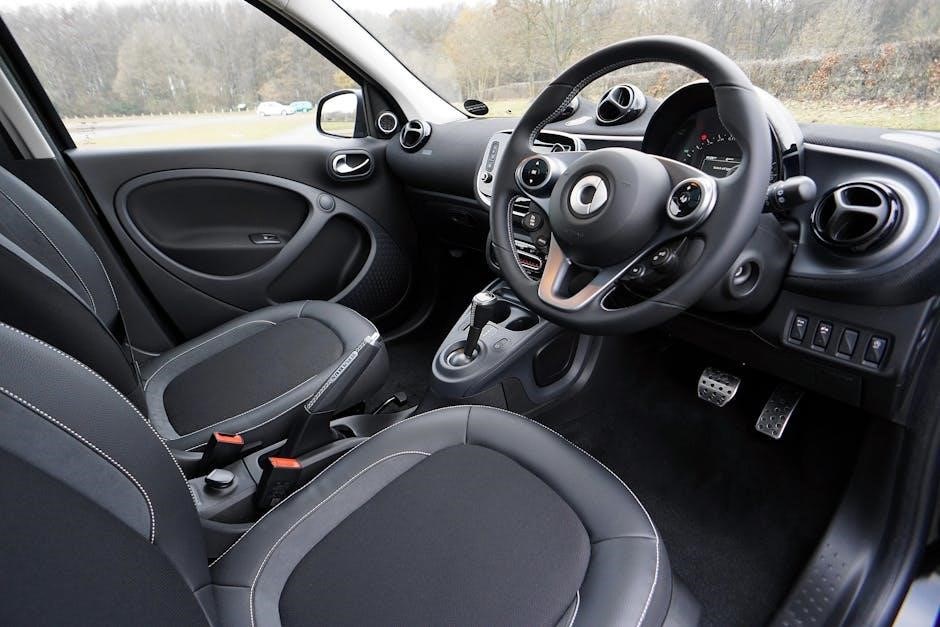
The control panel houses several key components: the main processor, display screen, input devices (buttons, switches, touchscreen), and power supply. Relays and circuit breakers protect the system, while sensors provide real-time data. Communication interfaces (Ethernet, serial) enable remote monitoring and control. Indicator lights signal system status and alarms. Fuses safeguard against overcurrents. Proper identification of each component is vital for troubleshooting, maintenance, and ensuring operational readiness, mirroring the detailed training at Marine Corps Base Quantico.
Air Handling Unit (AHU) Controls

AHU controls regulate airflow, temperature, and humidity. The panel allows adjustment of fan speeds, heating/cooling coil activation, and damper positions. Setpoints for temperature and humidity are programmable, ensuring comfortable conditions. Monitoring of supply and return air temperatures is crucial for efficient operation. Control strategies include automatic changeover between heating and cooling modes. Alarm functions alert operators to AHU malfunctions, similar to training advisories at Quantico, maintaining optimal environmental control.
Chiller Controls
Chiller controls manage the refrigeration cycle for cooling water production. The panel displays chiller capacity, water temperatures, and refrigerant pressures. Operators can adjust setpoints for chilled water supply temperature and monitor energy consumption. Safety interlocks protect against low refrigerant pressure or high discharge temperature; Sequencing controls manage multiple chillers for optimal efficiency, much like resource allocation at Marine Corps Base Quantico. Alarm indications signal chiller faults, ensuring prompt maintenance and preventing system downtime.
Fan System Controls
Fan system controls regulate airflow throughout the marine environment. The control panel monitors fan speeds, static pressure, and motor current. Operators can select auto or manual fan modes and adjust speed based on cooling or heating demands. Interlocks prevent fan operation without proper ductwork access, prioritizing safety. Similar to training exercises at Quantico, fan sequencing optimizes airflow distribution. Alarm notifications alert operators to fan failures or abnormal conditions, ensuring swift response and maintaining consistent climate control.
Operational Procedures
Proper operational procedures are vital for efficient system performance. Start-up involves verifying power, initiating chiller and AHU sequences, and confirming fan operation. Normal modes include automatic temperature control and manual override for specific zone adjustments. Emergency overrides, similar to rapid deployment training at Quantico, bypass automated systems for immediate climate control. Regular monitoring of panel displays and trend logs is crucial. Document all operational changes and respond promptly to alarms, ensuring consistent and reliable environmental control.
Start-Up and Shut-Down Sequences
Start-up initiates with a power verification check on the control panel, followed by sequentially activating chillers and Air Handling Units (AHUs). Confirm fan systems are operational before enabling cooling or heating modes. Shut-down reverses this process, deactivating AHUs, chillers, and finally, fans. Always log sequence completion. Emergency shut-down, mirroring rapid response training, immediately halts all functions. Proper sequencing prevents system stress, similar to maintaining readiness at Marine Corps Base Quantico, ensuring longevity and efficiency.
Normal Operating Modes
Normal operation features automated temperature control, maintaining pre-set levels via AHU and chiller adjustments. Monitoring airflow is crucial, ensuring consistent distribution throughout the vessel or facility, like those at Quantico. Systems can switch between cooling, heating, and ventilation modes based on environmental conditions. Regular panel checks verify optimal performance. Remote monitoring capabilities allow for adjustments and diagnostics. Efficient operation minimizes energy consumption, mirroring resourcefulness emphasized in Marine Corps training exercises.
Emergency Override Procedures
In emergencies, manual override disengages automated controls, granting direct command of AHU, chiller, and fan systems. This is vital during critical situations, like those potentially encountered during training at Quantico. Personnel must immediately assess the issue and implement corrective actions. Bypassing safety interlocks requires extreme caution. Document all override actions for post-incident analysis. Prioritize restoring automated functions once the emergency subsides. Regular drills ensure proficiency in these procedures, mirroring the readiness focus of the Marine Corps.
Troubleshooting Common Issues
Effective troubleshooting minimizes downtime and maintains optimal system performance. Common problems include temperature fluctuations, airflow restrictions, and control panel display errors. Begin with a visual inspection, checking for obvious faults like disconnected wiring or damaged components. Utilize the panel’s diagnostic features to pinpoint specific issues. Refer to the error code list for detailed explanations. Consider environmental factors, similar to those at Quantico, impacting system load. Document all findings and corrective actions taken for future reference and analysis.
Temperature Regulation Problems
Inconsistent temperatures often stem from faulty sensors, refrigerant leaks, or compressor inefficiencies. Verify sensor calibration and replace if necessary. Inspect refrigerant lines for leaks, utilizing appropriate detection methods. Check compressor operation for proper cycling and pressure readings. Airflow obstructions, like dirty filters, exacerbate temperature imbalances. Consider external conditions, mirroring training environments at Quantico, influencing cooling/heating demands. Review control panel settings to ensure correct setpoints and operating modes are selected.
Airflow Issues
Reduced airflow frequently indicates clogged air filters, blocked vents, or malfunctioning fan motors. Inspect and replace air filters regularly, mirroring maintenance needs at Marine Corps Base Quantico. Verify unobstructed airflow through vents and ductwork. Check fan motor operation for proper speed and direction. Examine ductwork for damage or collapse. Confirm damper positions are correctly set for desired airflow distribution. Consider external factors, like humidity, impacting system performance. Review control panel settings for fan speed adjustments.
Control Panel Display Errors
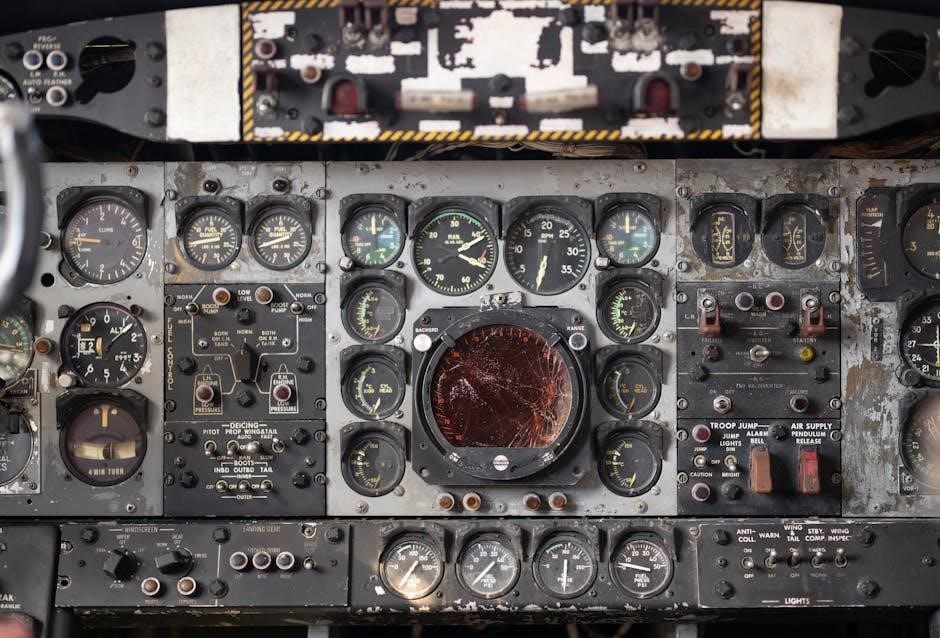
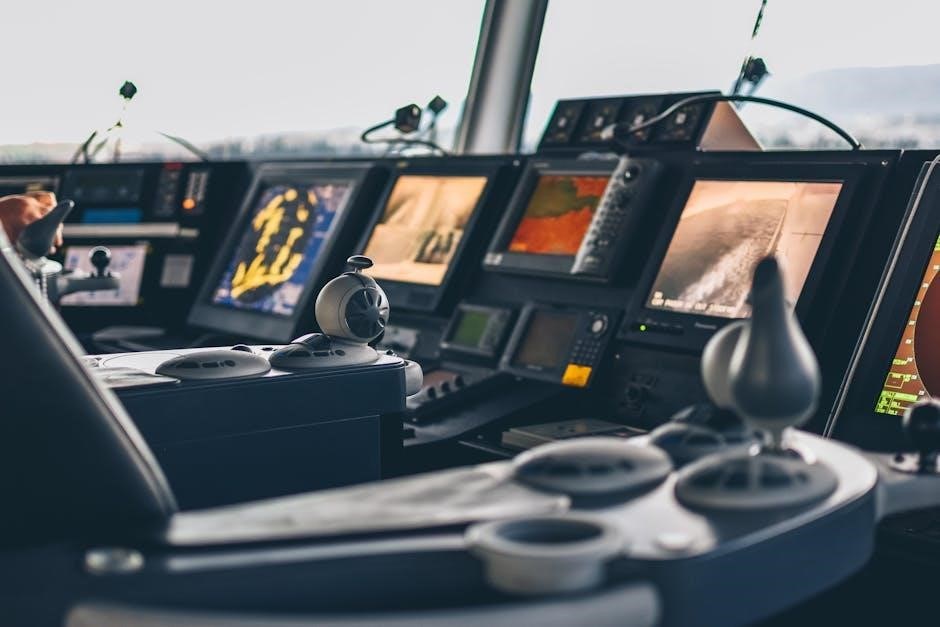
Display errors signal potential system faults requiring immediate attention. Document the error code and associated conditions precisely. Consult the error code glossary within this manual for definitions. Restart the control panel to clear transient errors, similar to troubleshooting training exercises at Quantico. Check sensor connections for looseness or corrosion. Verify power supply voltage to the control panel. Inspect communication cables connecting to AHUs and chillers. If errors persist, contact qualified technicians for advanced diagnostics and repair.
Maintenance and Inspection

Regular maintenance ensures optimal system performance and longevity, mirroring the robust training services provided at Marine Corps Base Quantico since 1917. Implement a scheduled inspection routine encompassing all components. Visually inspect wiring for damage or wear. Check panel enclosure for cleanliness and proper ventilation. Verify sensor calibration against known standards. Document all maintenance activities meticulously. Address any identified issues promptly to prevent escalation. Adhere to manufacturer’s recommendations for component replacement intervals, ensuring continued operational efficiency.
Scheduled Maintenance Tasks
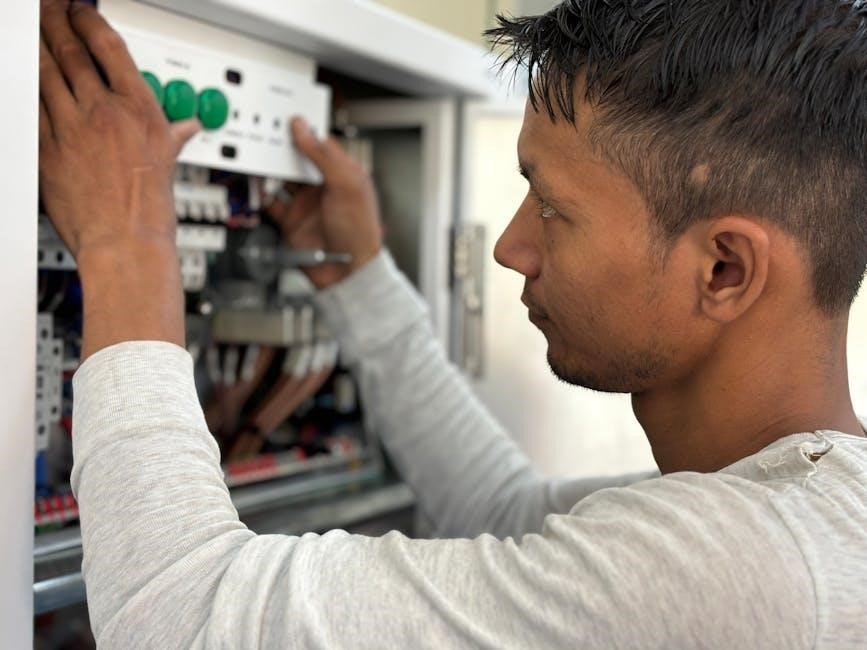
Establish a routine encompassing monthly, quarterly, and annual checks, similar to the training schedules at Quantico supporting over 40 Federal organizations. Monthly tasks include visual inspections of wiring and connections. Quarterly, verify sensor accuracy and clean control panel surfaces. Annually, perform a full system diagnostic, checking refrigerant levels and compressor operation. Document all findings and corrective actions. Replace worn components proactively. Ensure all tasks align with manufacturer guidelines, maintaining system reliability and preventing unexpected downtime.
Filter Replacement Procedures
Prior to replacement, shut down the system following established start-up/shut-down sequences. Access filter compartments, noting filter size and type. Remove old filters, disposing of them properly. Inspect filter frames for damage and clean if necessary. Install new filters, ensuring correct airflow direction. Verify secure placement to prevent bypass. Restart the system and monitor performance. Regular replacement, akin to Quantico’s robust training services, maintains optimal airflow and system efficiency, preventing strain on components.
Calibration of Sensors
Regular sensor calibration is vital for accurate system performance, mirroring the precision needed at Marine Corps Base Quantico’s ranges. Utilize calibrated reference tools to verify sensor readings. Access calibration menus within the control panel interface. Adjust sensor outputs to match reference values, following panel instructions. Document calibration dates and adjustments. Verify accuracy post-calibration. Recalibrate periodically, especially after component replacement, ensuring consistent temperature and airflow control, much like the training provided to Poolees.
Safety Precautions
Always disconnect power before accessing internal components, mirroring base security protocols at Quantico. Wear appropriate PPE – gloves and eye protection – during maintenance. Never bypass safety interlocks. Be aware of rotating fan components. Avoid working on energized circuits. Follow lockout/tagout procedures. Ensure proper ventilation during refrigerant handling. Report any damaged wiring immediately. Adhere to all applicable electrical codes, prioritizing safety like the Marines’ commitment to readiness and training.
Wiring Diagrams and Schematics
Detailed schematics illustrate power distribution, control signal pathways, and component interconnections. Diagrams include wiring color codes, terminal designations, and grounding points; Separate schematics cover AHU, chiller, and fan systems. Troubleshooting flowcharts aid in fault isolation, similar to training exercises at Quantico. Schematics are updated to reflect any modifications. Refer to these diagrams before performing any electrical work. Ensure diagrams match the specific panel configuration. Proper interpretation is vital for safe and effective maintenance.
Technical Specifications
The control panel operates on 120/240V AC, 60Hz, single-phase power, with a maximum current draw of 20 amps. Operating temperature ranges from 32°F to 122°F (0°C to 50°C), suitable for marine and land-based environments like Quantico. Humidity tolerance is 5% to 95% non-condensing. Input signals accept 4-20mA, 0-10V, and digital communication protocols. Panel dimensions are 24”W x 18”H x 6”D. Weight is approximately 30 lbs. Compliance standards meet relevant marine and safety regulations.
Power Requirements
The marine air systems control panel necessitates a stable power supply of 120/240VAC, 60Hz, single-phase, mirroring standard electrical systems found at facilities like Marine Corps Base Quantico. Maximum power consumption peaks at 1.5kW during simultaneous operation of all connected units. A dedicated 20-amp circuit breaker is recommended for optimal performance and safety. Backup power via a UPS is advisable for critical applications. Proper grounding is essential to prevent electrical hazards. Voltage fluctuations should be within ±10% of the nominal value.
Operating Limits
The marine air systems control panel functions optimally within ambient temperatures of 32°F to 104°F (0°C to 40°C), similar to conditions experienced during training exercises at Quantico. Relative humidity should be maintained between 20% and 80%, non-condensing. Altitude limitations are up to 6,500 feet above sea level. Ensure adequate ventilation to prevent overheating. Avoid exposure to direct sunlight or corrosive environments. System performance may degrade outside these limits, potentially impacting cooling or heating efficiency. Regular monitoring is crucial for sustained operation.
Regulatory Compliance
Marine air systems must adhere to ASHRAE standards 90.1 and 15, ensuring energy efficiency and refrigerant safety, vital for installations supporting bases like Quantico. Compliance with SOLAS regulations is mandatory for maritime applications, covering fire protection and safety systems. Systems must meet EPA requirements regarding refrigerant handling and disposal. Electrical components must conform to IEC standards. Regular audits and documentation are essential to demonstrate adherence. Failure to comply can result in penalties and operational restrictions, impacting mission readiness and safety protocols.

Resources and Support
For immediate assistance, contact our 24/7 technical support hotline at 1-800-MARINE-AIR. Comprehensive training materials, including video tutorials and detailed schematics, are available on our secure online portal. On-site maintenance contracts offer preventative care and rapid response, crucial for installations like Marine Corps Base Quantico. A dedicated team of field engineers provides expert troubleshooting and repair services. Access our extensive FAQ database for common issues. Regular software updates and system diagnostics ensure optimal performance.
Contact Information
For technical support inquiries, please call our dedicated hotline at 1-800-MARINE-AIR, available 24/7. Email support is accessible at support@marineairsystems.com. Our main office is located at 123 Seafarer’s Way, Coastal City, USA. For urgent issues at locations like Quantico, contact the regional service center at 703-555-1212. Website: www.marineairsystems.com. Mailing address: PO Box 456, Coastal City, USA. Follow us on LinkedIn for updates and announcements.
Training Materials
Comprehensive training modules are available online at our learning portal, accessible with a valid user account. These include video tutorials, interactive simulations, and detailed system overviews. On-site training sessions can be scheduled for larger groups, particularly beneficial for installations like Marine Corps Base Quantico. Downloadable manuals and quick-start guides are provided in PDF format. Certification programs are offered upon successful completion of assessments. Contact our training department at training@marineairsystems.com for details.
Leave a Reply
You must be logged in to post a comment.