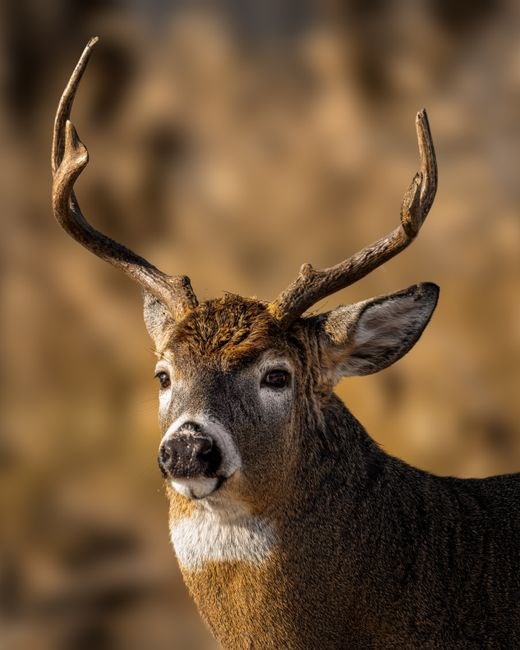
Mississippi Deer Population Trends
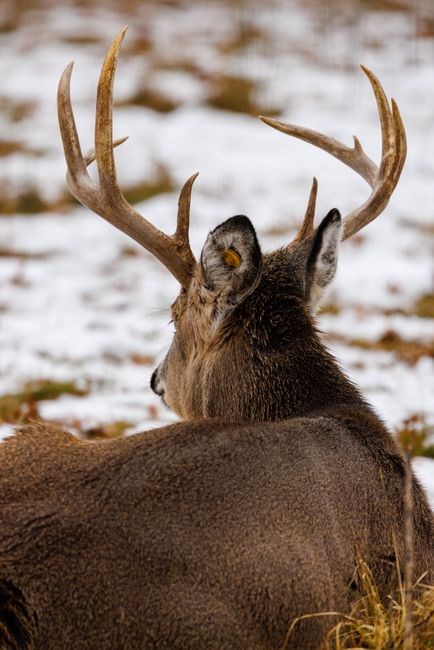
Recent surveys show Mississippi’s white‑tailed deer numbers near record highs, prompting the Department of Wildlife, Fisheries and Parks to urge hunters to increase harvests to stabilize the population and protect habitat.
The goal is to keep deer numbers while protecting life habitats for hunters.
Current Population Estimates and Management Goals
Recent wildlife surveys indicate that Mississippi’s white‑tailed deer population has reached an unprecedented peak, with estimates now hovering around 1.2 million individuals across the state’s diverse habitats. In response, the Mississippi Department of Wildlife, Fisheries and Parks (MDWFP) has issued a clear management directive: hunters must increase harvests to bring the population back to a sustainable level. The department’s goal is to reduce the deer density to approximately 9–10 deer per square mile, a range considered optimal for both ecological balance and hunter satisfaction. To achieve this, MDWFP has set specific annual harvest quotas for each region, based on rigorous population modeling and habitat assessments. Hunters are encouraged to target mature bucks, particularly those exceeding 10 points, to ensure that the most reproductively valuable individuals are removed. Additionally, the department emphasizes responsible hunting practices, including strict adherence to season dates and bag limits, to prevent over‑harvest of younger, more vulnerable deer. By aligning hunting pressure with scientific data, MDWFP aims to preserve the long‑term health of the deer population while maintaining the state’s rich hunting heritage.
MDWFP’s monitoring program utilizes aerial surveys, hunter‑reported harvest data, to refine population estimates annually. The department has also introduced a “Harvest” incentive, rewarding hunters who bring in bucks over 10 points with a 10% reduction in future bag limits. Outreach efforts include educational workshops at local community centers. Projecting a 5–7% annual decline in deer density over the next five years if current harvest levels are maintained, aiming to achieve a balanced ecosystem that supports both wildlife and human recreation. Public data.
Legal Framework for Hunting
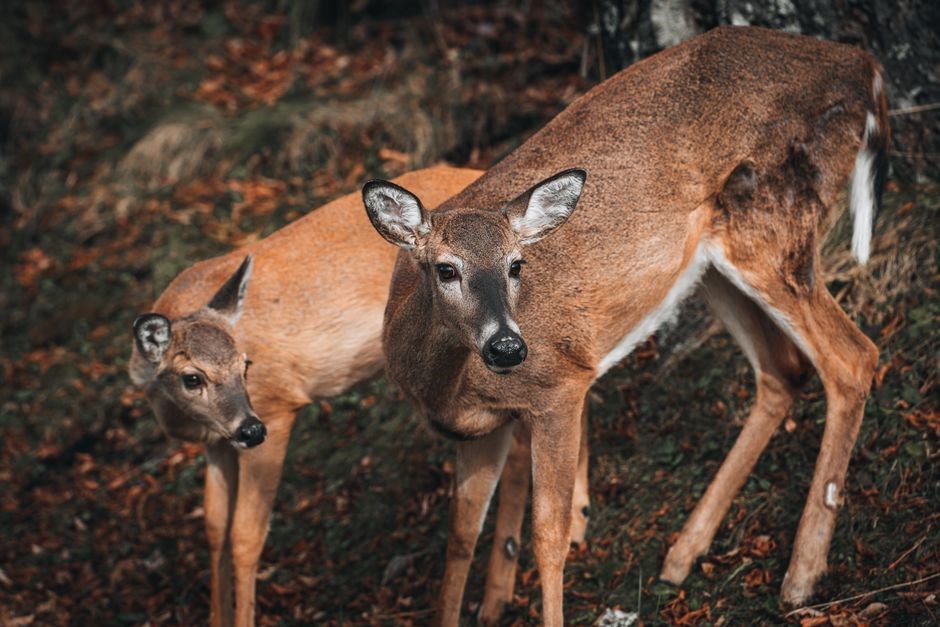
Mississippi hunters must follow MDWFP rules, including valid licenses, season dates, bag limits, and weapon restrictions. Archery season starts early, followed by primitive and gun seasons. All hunters must register, wear blaze orange, and respect closed areas. Compliance ensures fair chase conservationnow
Mississippi Department of Wildlife Regulations and Season Dates
Mississippi’s Department of Wildlife, Fisheries and Parks (MDWFP) sets strict hunting regulations to balance population control and conservation. Hunters must obtain a valid state license and register their firearms or bows before the season opens. The archery season begins with an early buck‑only period in late July, followed by the traditional archery season that runs from early October to early November. Primitive weapon season starts in mid‑October and overlaps with the early gun season, which opens in early November and continues until the end of the season in late December. Each season has specific bag limits: the early archery season allows one buck per hunter, while the traditional archery season permits one buck and one doe per hunter. Gun season bag limits are one buck and one doe per hunter, with a total of two animals per day. Hunters must wear blaze orange during all seasons, respect closed areas such as waterfowl habitats and protected lands, and adhere to all weapon restrictions. The MDWFP also requires hunters to submit a harvest report within 48 hours of the kill. Failure to comply can result in fines, license suspension, or revocation. By following these regulations, hunters help maintain a healthy deer population while ensuring the safety and fairness of the hunt. The MDWFP publishes a detailed season calendar each year, outlining exact dates for each hunting period and any changes in bag limits or weapon restrictions. Hunters are encouraged to review the calendar before purchasing gear to avoid costly mistakes; Additionally, the department offers online resources, including a downloadable hunting guide and a mobile app that provides real‑time updates on weather, hunting zones, and enforcement activities. Hunters who harvest a buck during the early archery season are required to submit a harvest report within 48 hours, whereas those who hunt during gun season must report within 24 hours. The MDWFP also runs a voluntary reporting program that rewards hunters who submit accurate harvest data, helping the department refine population estimates and adjust future seasons accordingly.
Preferred Hunting Methods
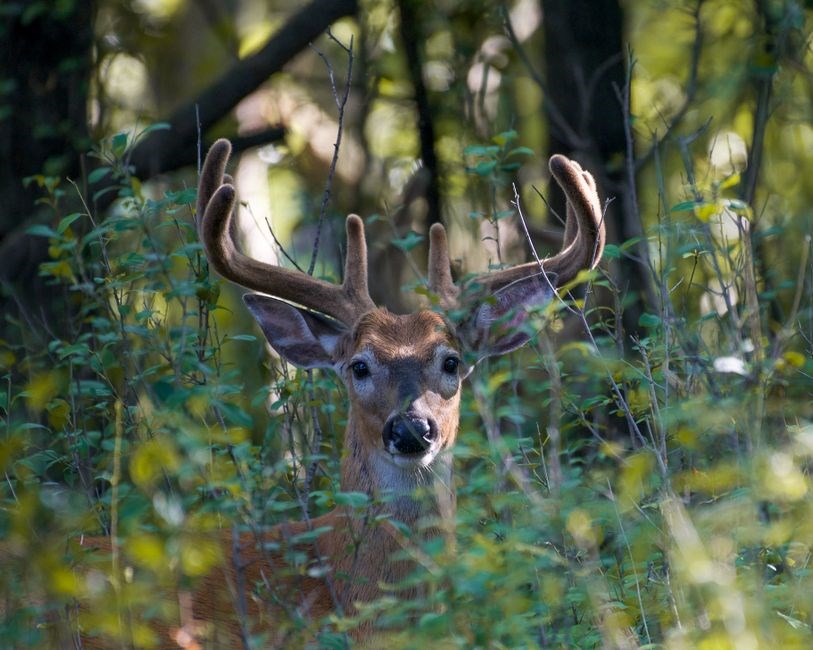
Archery remains the most popular method, offering precision and a quieter approach. Gun season attracts hunters with rifles and shotguns, while primitive weapon season encourages bows and crossbows. Each method has unique challenges and rewards. Fieldcraft, scent control, and timing are critical for success. today. now.
Archery and Gun Seasons Overview
Mississippi’s archery season opens early, offering hunters a chance to target bucks before the main gun season. The early, buck‑only archery period typically runs from late March to early April, followed by the traditional archery season in October. Hunters must register for a permit and adhere to the 12‑inch minimum bow draw length, with a 30‑inch minimum arrow length requirement. The gun season is divided into primitive weapon, rifle, and shotgun categories, each with distinct dates. Primitive weapon season usually begins in late March and lasts until early May, providing a window for crossbow and bow‑gun users. Rifle season starts in early April and runs through mid‑May, while shotgun season begins in late April and continues until early May. Hunters are encouraged to use scent‑control products and to practice fieldcraft techniques such as stalking and cover utilization. Proper timing is crucial; dawn and dusk are peak feeding times, and deer are more active during cooler temperatures. Weather conditions, such as high humidity and heat, can affect deer behavior and hunter visibility. The Department of Wildlife, Fisheries and Parks recommends that hunters stay informed about daily weather forecasts and adjust their strategies accordingly. In addition, hunters should be aware of the legal harvest limits and the importance of reporting kills to maintain population balance. By combining knowledge of season dates, equipment regulations, and field tactics, hunters can maximize their chances of a successful hunt while contributing to sustainable wildlife management. Early-season hunters often find deer congregating near water sources. Planning ahead success!!
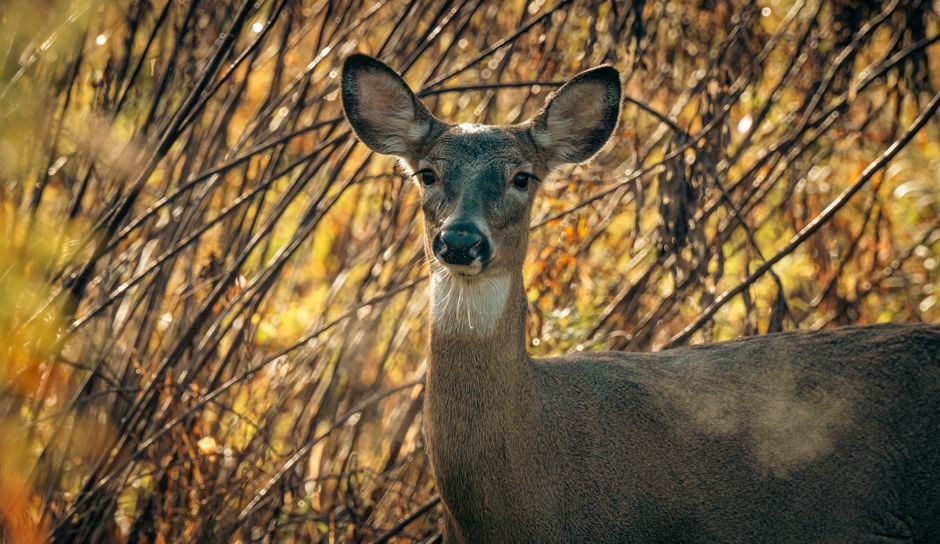
Targeting Mature Backs and Trophy Bucks
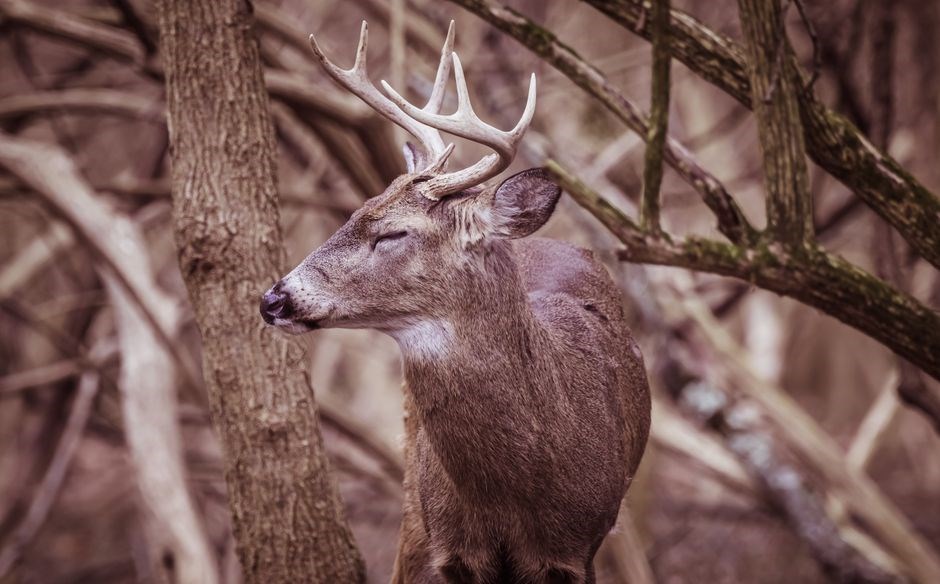
Mature backs and trophy bucks are Mississippi hunters. Tracking harvests and high‑pointing areas reveal prime targets. Use scent‑control, stalking near water sources where bucks congregate. Report kills promptly to aid population control; Target mature bucks requires patience timing.OK!! Early stalking!OK!
Strategies for Finding Big Bucks and Recent Harvests
To locate big bucks, start by reviewing recent harvest reports posted by the Mississippi Department of Wildlife, Fisheries and Parks and local hunting forums. High‑pointing areas often indicate mature males with large antlers. Use a GPS or mapping app to mark these points and plan a stalking route that follows natural corridors such as ridges, water crossings, and brush piles where bucks rest. Pay close attention to scent‑control practices; a clean scent profile reduces detection risk. Early morning or late afternoon are prime times when bucks are most active, especially in the humid summer months. Incorporate a “back‑to‑the‑woods” approach: move slowly, maintain a low profile, and use natural cover to blend with the environment. When you spot a buck, observe its antler size and body condition; a well‑fed, well‑muscled animal is likely a trophy candidate. Record the location and any notable details for future reference. Finally, stay up‑to‑the‑date with seasonal changes and weather patterns, as these can shift buck behavior and influence optimal hunting windows.
Hunters often rely on recent harvest data to pinpoint high‑value areas. By overlaying GPS coordinates of trophy kills on topographic maps, they can identify patterns such as ridge tops, water sources, and brush edges that attract mature bucks. Additionally, monitoring antler points and body condition from recent reports helps prioritize hunting zones. Using this data, hunters can plan efficient routes, reduce travel time, and increase the likelihood of encountering a prime target. Staying informed about seasonal shifts and local weather trends further refines strategy, ensuring that effort is focused where the probability of success is highest.
These insights help hunters focus effort and harvest success!!
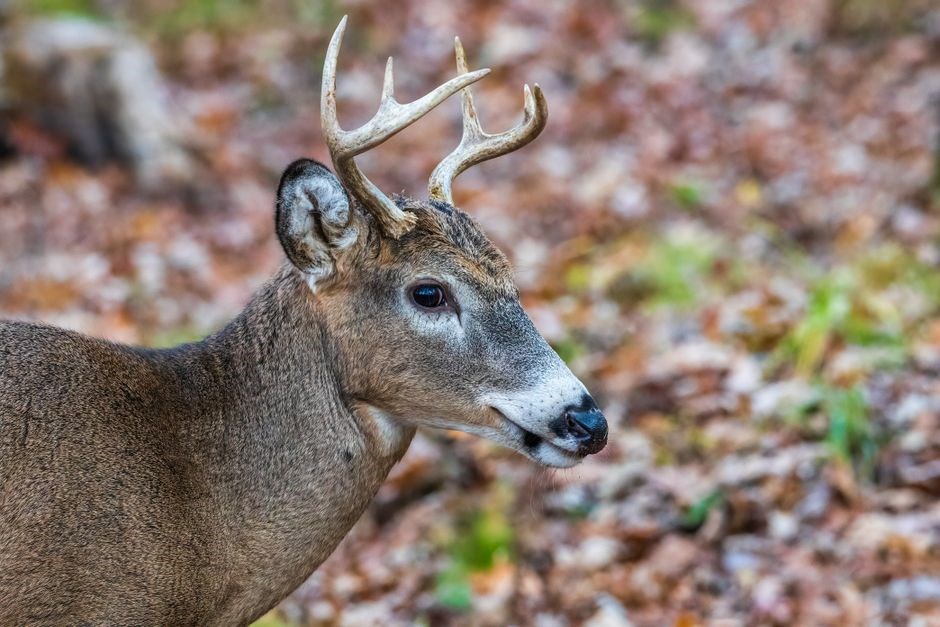
Environmental Factors Affecting Hunts
Heat, humidity, and timing are critical in Mississippi. High temperatures can reduce deer activity, while humidity affects scent dispersion. Early morning or late afternoon hunts avoid peak heat, improving hunter comfort and success. Wind direction matters; shade keeps hunters cool. and wind breaks. !
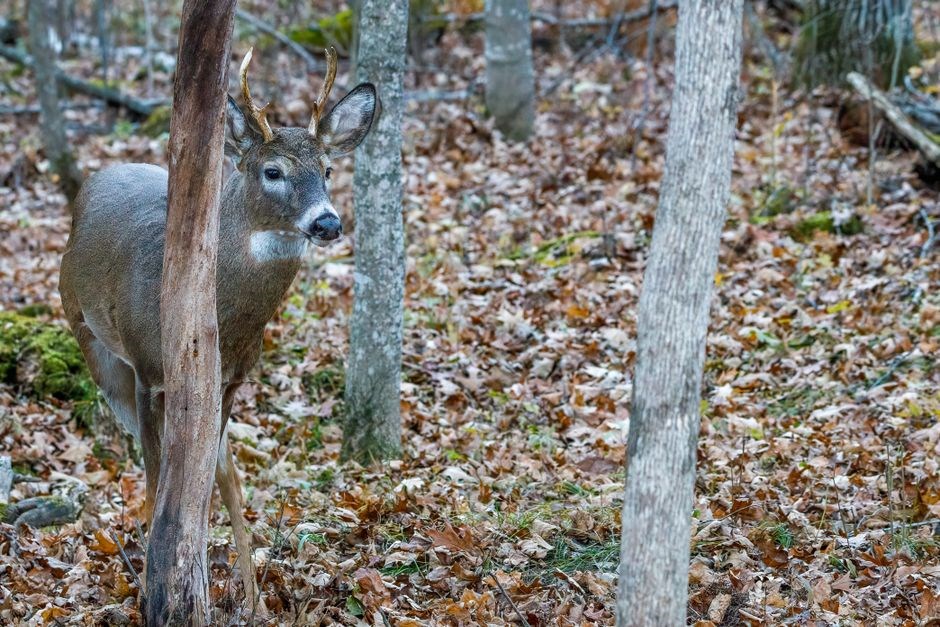
Heat, Humidity, and Timing Considerations
Mississippi’s summer heat can reach 100°F, making deer more active during cooler dawn and dusk periods. High humidity dampens scent trails, so hunters should use low‑odor gear and avoid heavy fragrances. Timing is crucial: early morning, before 9 am, and late afternoon, after 5 pm, offer optimal conditions. Wind direction also influences scent travel; a light breeze from the south can carry odors farther, so position yourself upwind. Additionally, rain can temporarily reduce deer activity, so plan hunts after dry spells. Understanding these factors helps hunters maximize success while staying safe in the humid, hot environment. Stay hydrated and use a hat. Keep gear dry!
Temperature fluctuations influence deer foraging patterns; cooler nights encourage movement into open fields where hunters can spot antlers more easily. Moisture levels affect plant growth, creating abundant browse that attracts bucks to specific areas. Hunters should scout for recent antler rubs and feeding signs, as these indicate high‑value targets. The presence of predators can alter deer vigilance. Light conditions also matter: dawn and dusk provide the best visibility while reducing wind, which can carry scent. In addition, seasonal changes in forage density shift deer distribution, so understanding local vegetation cycles is key to locating mature bucks. Harvest today.
The state’s wildlife agency recommends hunters use early morning light to spot bucks, and to stay hydrated. Proper gear, a hat, and a calm approach increase safety and success. Stay safe!
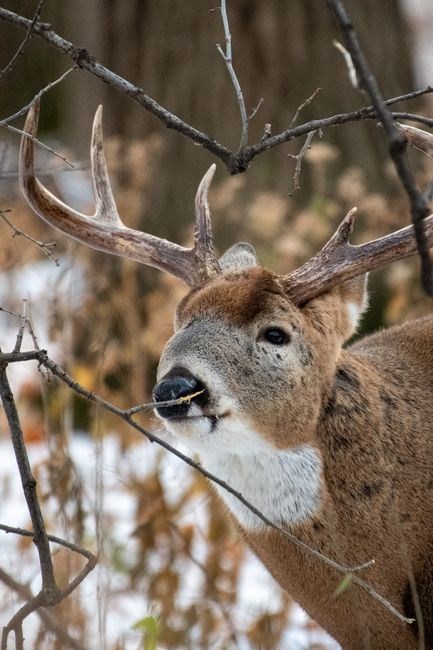
Field Guide Essentials
Equip with a reliable bow, a sturdy shotgun, and a first‑aid kit; Wear camo, a hat, and non‑reflective gear. Follow safety: keep a clear line of sight, use a rangefinder, and check local regulations before shooting.
Keep a whistle spare battery, field guide nearby.
Equipment Checklist and Safety Practices
Before heading into Mississippi’s dense woods, assemble a comprehensive gear kit: a reliable bow or shotgun, a calibrated rangefinder, a sturdy hunting knife, a first‑aid kit, a whistle, spare batteries, a compact field guide, and a durable GPS or topographic map. Wear high‑visibility camo, a wide‑brim hat, and non‑reflective, low‑glint clothing to reduce detection. Secure a hunting license, ID, and any required permits in an easily accessible pocket. Always keep a clear line of sight to your target and maintain a safe back‑stop distance. Check local regulations for season dates and bag limits before each outing. Use binoculars or spotting scope to spot deer early, and keep your firearm or bow aimed only at the target area. Store ammunition in a locked, fire‑proof box. Practice safe shooting drills in a controlled environment before heading to the field. Finally, respect wildlife and the environment by following the “Leave No Trace” principles, and report any suspicious activity to the Department of Wildlife, Fisheries and Parks. Carry a flashlight or headlamp with spare batteries for low‑light conditions. Use a hunting vest with pockets for ammunition. Bring a small, insulated cooler for harvested meat.
Carry a reliable flashlight or headlamp with extra batteries for early morning or late afternoon hunts. Keep a small, insulated cooler for harvested meat, and a portable grill or smoker for field processing. Maintain a log of your hunting trips, noting dates, locations, and observations to aid management. Use a hunting vest with pockets for ammunition
Local Hunting Communities and Resources
Mississippi’s hunting community thrives on local outfitters, online forums, and seasonal meet‑ups. Hunters share scouting reports, gear tips, and conservation projects. Premier Outfitters guides trips, while the state portal lists regulations and maps. Facebook keep members updated on weather and terrain.
Premier Outfitters and Online News Sources
Premier Outfitters, founded in 2009, offers guided hunts across Mississippi’s diverse terrains, from pine ridges to hardwood glades. Their certified guides provide real‑time intel on deer movement, weather patterns, and optimal stalking routes, ensuring hunters maximize harvests while respecting wildlife regulations. The outfitters also supply gear rentals, safety briefings, and post‑hunt processing assistance, making them a one‑stop resource for both novice and seasoned hunters. Online news outlets play a pivotal role in keeping the hunting community informed. The state’s official Department of Wildlife, Fisheries and Parks website publishes daily updates on season dates, bag limits, and emergency alerts. National platforms such as Yahoo Sports and local newspapers like the Mississippi Daily News feature expert commentary, success stories, and conservation initiatives. Hunters often turn to forums on Reddit’s r/hunting and dedicated Facebook groups for real‑time scouting reports, gear reviews, and trip planning tips. Local hunting clubs such as the Mississippi Wildlife Association and the Southern Hunters’ League organize seasonal workshops, field days, and conservation projects. Their newsletters, available online, provide detailed maps, scouting tips, and updates on habitat restoration efforts. The state’s e‑bulletin system delivers alerts on weather, hunting regulations, and wildlife health reports directly to subscribers’ inboxes, ensuring hunters stay informed and compliant. Annual events like the Mississippi Deer Expo bring together hunters, outfitters, and wildlife experts for workshopsand networking. The expo showcases the latest hunting technologies and conservation initiatives. Additional insights are available to request.
Post-Hunt Management
After the hunt, hunters should tag and bag their deer promptly, following state regulations. Proper field dressing, cooling, and transport to a licensed processor are essential. Store meat in a regulated facility, label with harvest date, and comply with all safety and sanitation standards. and keep!
Processing, Preservation, and Legal Meat Handling
Once the deer is harvested, immediate field dressing is critical. Remove the internal organs within 15–20 minutes to prevent bacterial growth. Keep the carcass cool by placing it in a cooler with ice packs; the temperature should stay below 40°F (4°C). Use a clean, sharp knife and follow the “butcher’s” method to avoid contamination.
- Tagging and Documentation: Attach the tag to the hind leg and record the harvest date, location, and hunter ID on the state form. This info is required for compliance and population studies.
- Processing Facilities: Transport the carcass to a licensed processor or a USDA‑approved facility for a sanitary inspection and packaging.
- Preservation Techniques: If immediate processing isn’t possible, cure the meat with a 10% salt solution and store it in a freezer at 0°F (-18°C). For longer storage, use dry‑curing or smoking.
- Legal Meat Handling: Label each package with the harvest date, tag number, and hunter’s name. Store in a temperature‑controlled environment and avoid cross‑contamination.
- Transportation and Storage: Use insulated containers with ice packs for short trips. For extended storage, keep the meat in a commercial freezer or a regulated storage facility that meets USDA standards.
By following these steps, hunters ensure that the harvested deer meets all legal standards, preserves quality, and supports responsible wildlife management. Proper handling also reduces waste and protects public health.
Remember to keep all records accurate and submit them promptly to the state office.
Enjoyhuntresponsibly.
Leave a Reply
You must be logged in to post a comment.